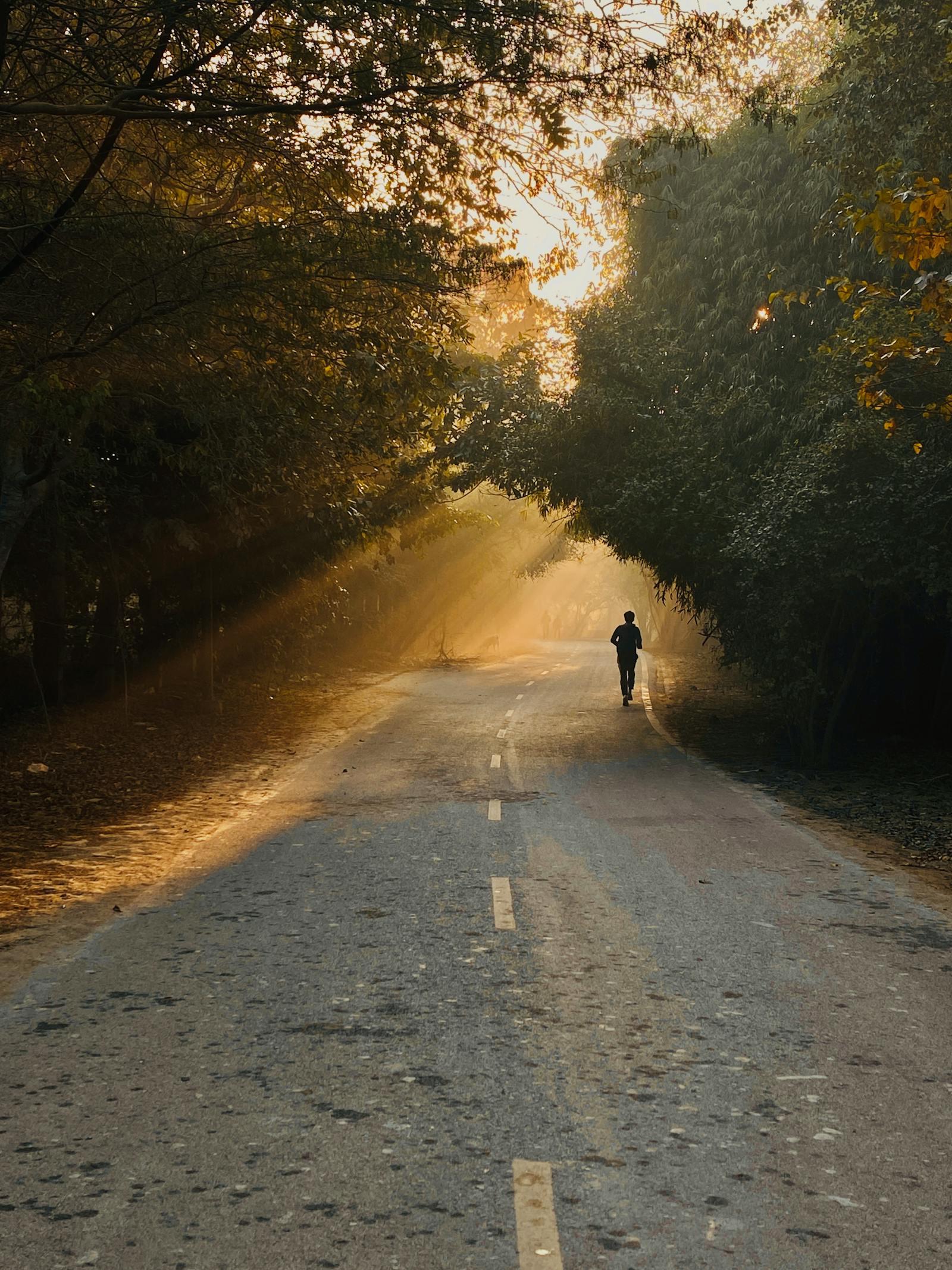
You know it without really knowing it: after a solid session, you breathe better. Not just physically — mentally. Here's the thing: it's not just an impression. Sport works on stress like no relaxation method really does, because it doesn't just calm your nervous system — it rewires it. And the science behind this mechanism deserves a closer look.
What Stress Does to Your Brain (Silently)
Chronic stress isn't just a state of mind. It's a chemical cascade: adrenaline, then cortisol, flooding your body the moment your brain senses a threat — real or imagined. A dreaded meeting, a deadline, a conflict, an intrusive thought: regardless of the trigger, the reaction is identical.
The catch is that this mechanism was designed for short threats: flee a predator, then return to calm. Today, we live in permanent alert mode. Cortisol stagnates, sleep deteriorates, energy disappears, the mind shuts down. And the more we endure, the less we move — when moving is precisely what we need.
Why Sport Is the Most Powerful Regulator
Physical effort doesn't magically erase stress. It completes the biological cycle that cortisol started. Your body was primed to run, fight, push — sport finally gives it the discharge it was waiting for. Once that loop closes, your nervous system shifts into parasympathetic mode: recovery, digestion, rest. That's what you feel after a session — not just fatigue, but a chemical rebalancing.
Add to that endorphins, serotonin, and BDNF, the growth factor that literally repairs the brain areas damaged by chronic stress. In short: moving doesn't mask your worries, it digests them.
5 Concrete Ways to Use Sport as Anti-Stress
- Move early, even just 20 minutes — In the morning, cortisol is naturally high. A short session channels that peak instead of letting it run loose all day.
- Match intensity to your state — Acute stress? Moderate cardio, brisk walking, cycling. Mental anxiety? Strength work, heavy loads, technical movements that force you to focus on the body instead of the thoughts.
- Get outside — Moving outdoors doubles the effect: nature, light, distance from screens. A poster like "Go Train Anyway" can act as a trigger on the days when motivation falters.
- Breathe actively at the end — Three minutes of slow breathing after the session prolong the parasympathetic state. It's free, and ridiculously effective.
- Ritualize the after-session — A shower, coffee in a "Going to the gym is an act of self-love" mug, ten minutes to yourself. The ritual signals to your brain that the stress phase is officially over.
The Trap of Sport as Avoidance
Careful: sport can also become a disguised escape. Burning yourself out to avoid thinking, overtraining to smother an emotion — that's no longer regulation, it's flight. The marker? You leave every session more drained than soothed, and the urge to chain workouts becomes compulsive. If that's the case, drop the intensity, sleep more, prioritize recovery. The mind is built in effort, but it heals in rest.
Sport remains the most accessible and complete anti-stress tool we know of. It doesn't erase your problems — it makes you stronger to face them. To go further, our article on the role of sleep in performance pairs perfectly with this approach, and the one on mental strength in sport shows how to convert these benefits into a real psychological foundation.